Check Out the Production Refine Behind High-Quality HDPE Pipeline and Its Applications
The production procedure of premium HDPE pipelines is elaborate and methodical. It begins with the option of basic materials that improve efficiency. Following this, ethylene undergoes polymerization to form resin, which is then shaped with extrusion. Quality control is paramount, making sure that the last item fulfills strict standards. The trip of HDPE pipes doesn't finish with manufacturing. Their applications throughout various industries disclose a more comprehensive relevance worth examining.
Understanding HDPE: Features and Advantages

High-density polyethylene (HDPE) is a versatile polycarbonate understood for its sturdiness and resistance to different ecological aspects. This product displays exceptional tensile strength, making it ideal for requiring applications. Its low-density structure contributes to a light-weight product, helping with ease of managing and installation. HDPE additionally showcases amazing resistance to chemicals, which minimizes degradation when subjected to harsh compounds.
The product's reduced moisture absorption even more improves its long life, making it excellent for use in pipes and storage tanks. Furthermore, HDPE is immune to ultraviolet (UV) radiation, guaranteeing that items preserve their integrity also when revealed to sunshine. Additionally, its versatility allows for the production of detailed shapes without compromising stamina. The environmentally friendly nature of HDPE, often stemmed from recycled materials, contributes to its allure, advertising lasting practices in manufacturing. Overall, these residential or commercial properties and advantages make HDPE a favored selection for different commercial and customer applications.
Basic Material Selection for HDPE Production
The selection of raw materials for HDPE manufacturing is vital to verify the final item fulfills the wanted specifications and high quality standards. High-density polyethylene (HDPE) is mostly generated from polymerized ethylene, originated from nonrenewable fuel sources such as natural gas or crude oil. The high quality of these feedstocks greatly influences the mechanical and thermal residential properties of the last HDPE.
Additives also play a substantial function in improving HDPE's performance, including anti-oxidants, UV stabilizers, and colorants, which boost toughness and resistance to environmental aspects. The choice procedure need to take into consideration not just the chemical make-up of the raw products however additionally their handling qualities to guarantee efficient production.
Additionally, the sourcing of basic materials must focus on sustainability and conformity with environmental regulations, as accountable methods are critical in today's market. Eventually, careful raw product choice lays the foundation for producing top quality HDPE pipes ideal for varied applications.
The Extrusion Refine: Shaping HDPE Pipeline
The extrusion process plays a crucial role in shaping HDPE pipelines, starting with careful product preparation methods that guarantee excellent flow and consistency. Similarly important is the design of the die, which straight affects the last dimensions and surface area high quality of the pipe. With each other, these variables contribute greatly to the performance and quality of HDPE pipeline manufacturing.
Product Preparation Strategies
Reliable production of HDPE pipelines begins with precise material preparation methods, especially the extrusion procedure. During this phase, high-density polyethylene resin is first dried out to get rid of dampness, ensuring ideal circulation attributes. The material is then fed into the extruder, where it undertakes home heating and melting, transforming right into a thick state. This heating process is very carefully controlled to preserve the material's integrity and efficiency. The liquified HDPE is compelled via a die, shaping it into a constant pipe form. Proper temperature level management throughout extrusion is necessary, as it directly affects the product's properties and the final item high quality. As soon as formed, the HDPE pipe is cooled down and cut to defined sizes, ready for subsequent processing and applications.
Die Design Importance
Accuracy in die layout plays an important duty in the extrusion process of HDPE pipes. The die serves as the last shaping device, directly influencing the pipe's dimensions, wall surface thickness, and surface coating. A properly designed die guarantees consistent product circulation, minimizing defects such as irregularities and weak places. The geometry of the die have to be maximized to fit the particular residential properties of HDPE, including its viscosity and thermal behavior during extrusion. Furthermore, the cooling rate of the product as it goes through the die can considerably impact the pipe's architectural stability. Investing in innovative die innovation is crucial for manufacturers aiming to produce top notch HDPE pipes that satisfy industry criteria and consumer assumptions.
Quality Control Steps in HDPE Manufacturing
Different aspects affect the high quality of HDPE pipe production, effective top quality control steps are essential to guarantee consistency and dependability in the final product (Pipe Supplier American Plastics Midland). Key quality assurance methods consist of extensive material evaluation, validating that the raw polyethylene satisfies well established standards for pureness and density. Throughout the extrusion process, criteria such as temperature, stress, and cooling time are carefully kept track of to preserve dimensional accuracy and architectural integrity
Furthermore, post-production screening is crucial; suppliers usually carry out hydrostatic examinations to evaluate read more the pipeline's strength and resistance to pressure. Visual assessments for surface defects further enhance high quality guarantee. Qualification from appropriate standards organizations, like ASTM or ISO, supplies an additional layer of trustworthiness. By executing these detailed quality assurance actions, makers can lessen flaws, enhance performance, and guarantee that the HDPE pipelines fulfill the details requirements of various applications, ultimately resulting in customer complete satisfaction and depend on in the product.
Applications of HDPE Pipe Throughout Industries
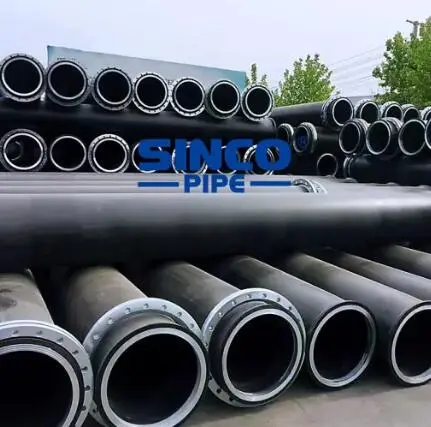
HDPE pipes are utilized throughout numerous markets because of their durability and versatility. In water circulation systems, they assure effective delivery, while in wastewater monitoring, they supply dependable remedies for waste transportation. Additionally, farming watering networks gain from HDPE's resistance to corrosion and adaptability, making it an ideal choice for modern-day farming methods.
Water Circulation Equipments
A significant number of industries count on high-density polyethylene (HDPE) pipelines for effective water distribution systems. Recognized for their resilience and resistance to corrosion, HDPE pipes are commonly utilized in municipal water supply networks, farming watering, and commercial applications. Their light-weight nature assists in simple handling and installment, minimizing labor expenses and time. In addition, HDPE pipes can accommodate different pressure levels, making them suitable for both low and high-pressure systems. hdpe pipe in stock Midland TX. The adaptability of the material permits for seamless integration right into existing infrastructure, minimizing the need for substantial excavation. Additionally, HDPE's resistance to chemical seeping guarantees that the water delivered continues to be safe and tidy, making it a perfect option for keeping the quality of potable water throughout numerous fields
Wastewater Monitoring Solutions
Efficient water distribution systems likewise lead the way for cutting-edge wastewater management services, where high-density polyethylene (HDPE) pipes play a substantial function. Distinguished for their toughness and resistance to rust, HDPE pipes are perfect for delivering wastewater in numerous setups. Their flexibility enables simple setup in intricate settings, minimizing the demand for considerable excavation. Additionally, HDPE's smooth interior surface area decreases friction, enhancing circulation prices and performance. These pipes are likewise immune to chemical leaching, guaranteeing that impurities do not jeopardize the surrounding setting. Industries, districts, and therapy centers increasingly depend on HDPE pipes for their dependability and longevity, making them a recommended option for modern wastewater administration systems. This versatility emphasizes the vital importance of HDPE pipelines throughout various applications.
Agricultural Watering Networks
Agricultural irrigation networks profit greatly from making use of high-density polyethylene (HDPE) pipes, which provide reliable and reliable water delivery to plants. HDPE pipelines are lightweight, making them easy to transfer and set up, while their adaptability enables for different configurations in diverse surfaces. These pipes show superb resistance to corrosion, chemicals, and UV radiation, making sure sturdiness in rough farming atmospheres. Additionally, their smooth indoor surface reduces friction loss, enhancing water flow and reducing power expenses connected with pumping. The long life of HDPE pipelines, frequently going beyond half a century, adds to lower maintenance and substitute expenses. Farmers progressively rely on HDPE pipes to boost irrigation performance and promote lasting agricultural practices, ultimately leading to boosted plant returns and resource conservation.
Future Trends in HDPE Pipe Innovation
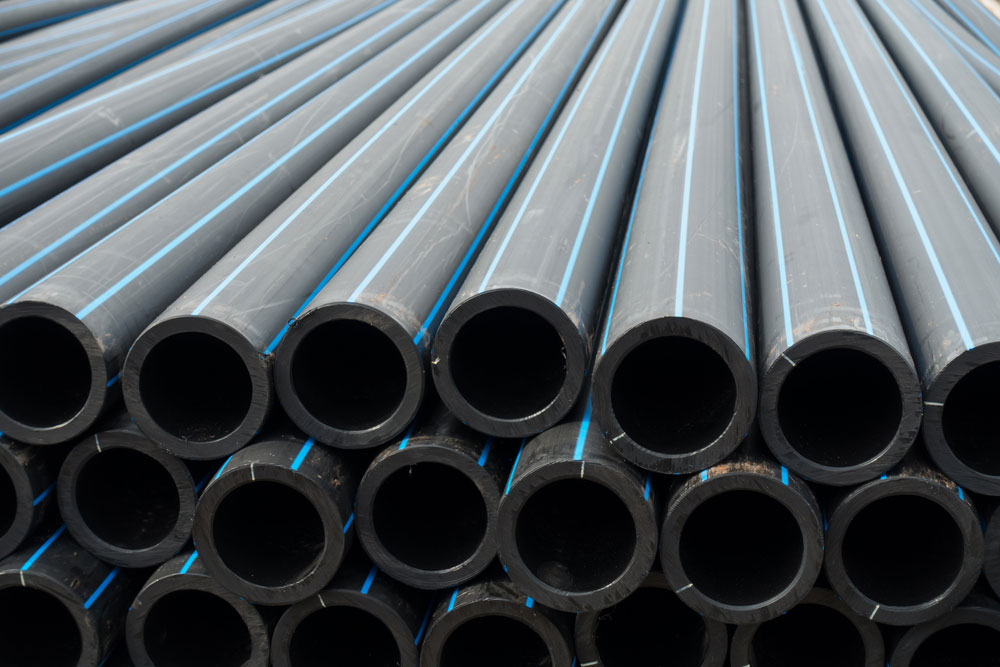
As the need for sustainable and efficient facilities grows, innovations in HDPE pipe technology are poised to transform different sectors. Arising trends consist of the assimilation of clever modern technologies, such as sensors and IoT capabilities, which help with real-time monitoring of pipe problems, reducing maintenance expenses and protecting against leaks. Furthermore, the advancement of innovative production methods, such as 3D printing, is allowing the production of complex, tailored pipeline layouts that cater to certain task requirements.
Furthermore, the concentrate on recycling and round economic situation practices is driving the technology of HDPE pipelines made from recycled materials, enhancing sustainability. Enhanced jointing methods, such as electro-fusion and mechanical installations, are additionally enhancing installment performance and dependability. The growing focus on environmental laws is pushing makers to take on greener manufacturing processes, making certain that HDPE pipelines not only meet market standards yet likewise promote a more lasting future for infrastructure growth.
Frequently Asked Questions
Exactly How Does HDPE Contrast to Other Plastic Materials?
HDPE outmatches many various other plastic materials pertaining to resilience, chemical resistance, and adaptability. Its reduced density and high tensile stamina make it optimal for various applications, often exceeding choices in both efficiency and long life.
What Are the Ecological Effects of HDPE Production?
The ecological impacts of HDPE production include greenhouse gas exhausts, power intake, and possible pollution from producing processes. Additionally, improper disposal can lead to soil and water contamination, increasing concerns regarding long-term ecological effects.
Can HDPE Pipeline Be Recycled?
Yes, HDPE pipes can be reused. Several facilities approve made use of HDPE for handling, changing it into brand-new products. This recycling adds to sustainability initiatives, minimizing plastic waste while conserving sources and power in the manufacturing cycle.
What Is the Lifespan of HDPE Water Lines?
How Do Temperature Level Variants Affect HDPE Pipeline Performance?
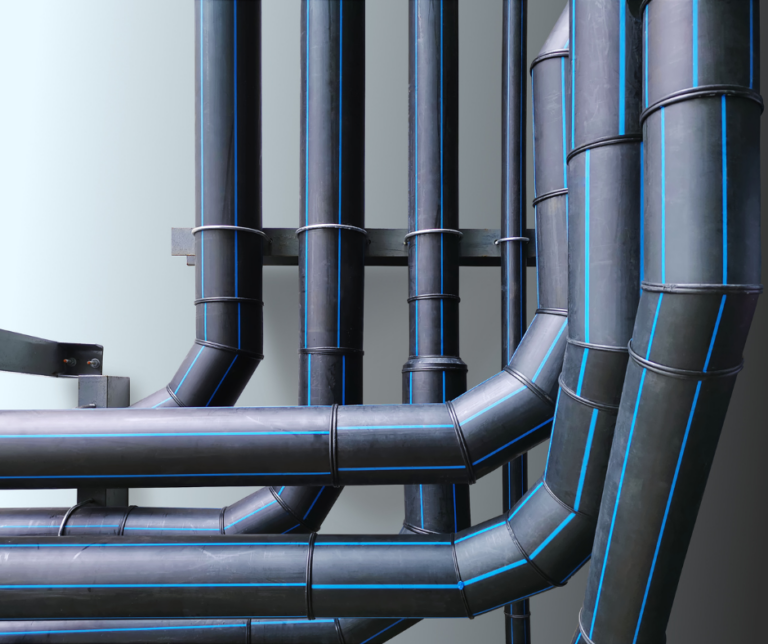
Temperature level variations substantially impact HDPE pipeline performance, influencing flexibility and strength. Heats can cause softening, while reduced temperatures may trigger brittleness, inevitably influencing the pipe's sturdiness and viability for different applications in varied environments.
Comments on “Why Pipe Supplier American Plastics Midland Is the Trusted Partner for Contractors”